
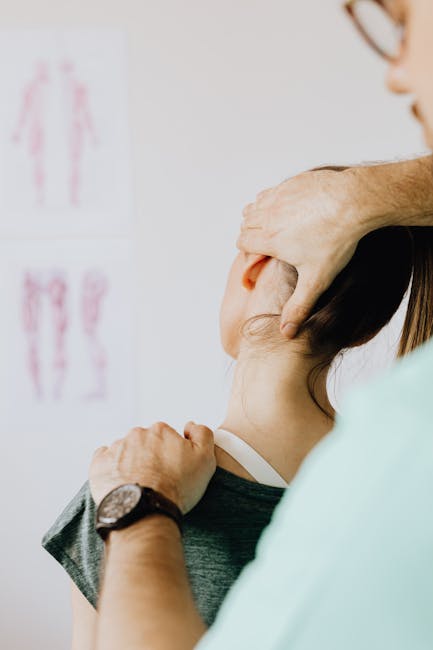
Living in a picturesque town like Gloversville, NY, surrounded by the Adirondacks and rich with outdoor activities, means residents are no strangers to aches and pains, whether from hours spent gardening, cycling the Rail Trail, or shoveling snow in the winter months. However, when pain is felt in one part of the body but is actually caused by an issue elsewhere, it can be confusing and frustrating. This phenomenon is called "referred pain," and understanding it is key to effective recovery and a better quality of life. As chiropractic care becomes a popular choice for holistic pain management in Gloversville, many residents are curious: How does chiropractic treatment help with referred pain?
What is Referred Pain?
Referred pain is a concept that baffles many people. Simply put, it occurs when pain is felt at a location different from its source. Unlike direct pain—such as twisting an ankle and feeling pain in the ankle—referred pain means the ache or discomfort shows up in part of the body that isn’t injured or diseased.
For example:
- A pinched nerve in the neck may cause headaches or shoulder pain.
- Disorders of the lower back can send pain signals radiating down the legs.
- Organ issues, like gallbladder or heart conditions, can manifest as pain in the back or arms.
Why Does Referred Pain Happen?
The human nervous system is incredibly complex. Sensory nerves from different areas of the body often converge on the same neural pathways in the spinal cord. The brain sometimes has difficulty pinpointing the exact source of the problem, interpreting pain as coming from an area served by the same nerves.
Think of it like hearing a siren somewhere in Gloversville—sometimes it’s difficult to tell which direction it’s coming from. Similarly, your brain can misinterpret the origin of internal signals.
Common Causes of Referred Pain in Everyday Life
In a community like Gloversville, where people enjoy seasonal activities and manual work is common, daily routines can lead to referred pain through:
- Shoveling snow causing lower back issues, with pain showing up in the hips or thighs.
- Long walks around Peck Lake leading to foot pain that actually begins with nerve impingement in the lower spine.
- Desk work at one of the city’s local businesses resulting in wrist pain actually stemming from neck misalignment or poor posture.
The Chiropractic Approach to Referred Pain
Chiropractors are uniquely trained to assess and treat referred pain by addressing its root cause, not just the symptoms. This approach is especially important in a close-knit, active community like Gloversville, where residents rely on staying mobile and pain-free.
Step 1: Comprehensive Evaluation
A typical chiropractic visit begins with a thorough evaluation, including:
- Detailed history of symptoms and activities
- Posture and movement analysis
- Neurological and orthopedic examinations
For example, if a Gloversville resident comes in with hip pain after several days of gardening, a chiropractor will ask about their daily activities and may investigate the lower back and pelvis for misalignments.
Step 2: Diagnosis
Distinguishing between direct pain and referred pain is critical. Chiropractors use diagnostic tools and tests to determine whether the pain’s source is musculoskeletal, nerve-related, or possibly stemming from an internal organ. This prevents unnecessary treatments and focuses care on the true origin of the discomfort.
Step 3: Targeted Treatment
Once the cause is identified, chiropractic care may include:
- Chiropractic adjustments to correct misalignments
- Soft tissue therapy to reduce nerve irritation
- Therapeutic exercises to strengthen supporting muscles
- Lifestyle and ergonomic recommendations tailored to Gloversville’s climate and common activities
For example, a person experiencing hand pain that stems from their neck may find that an adjustment to their cervical (neck) spine plus posture guidance for snow shoveling or computer usage brings significant relief.
How Chiropractic Care Helps Referred Pain
Chiropractic care is often highly effective for referred pain because it addresses dysfunctions in the spine and joints, where nerves often become irritated. By improving spinal alignment and nerve function, chiropractic treatments can:
- Decrease pain and inflammation
- Restore normal movement patterns
- Prevent the development of chronic pain
- Enhance the body’s natural healing processes
People in Gloversville often discover that what seemed like a persistent knee ache was actually due to poor lower back mechanics, something they would not have guessed without a comprehensive chiropractic assessment.
When to Seek Chiropractic Care for Referred Pain
If you’re a Gloversville resident and experience any of the following, it’s wise to consult with a chiropractor:
- Pain that persists despite medication or rest
- Discomfort that seems to move or change location
- Numbness, tingling, or weakness in the arms or legs
- Pain related to movement or posture changes
- Pain that interferes with daily activities like hiking, gardening, or working
Chiropractic care can often provide answers and relief when other treatments haven’t worked, especially for individuals with busy, active lives in Fulton County.
Tips for Preventing Referred Pain
While not all referred pain can be prevented, Gloversville residents can reduce their risk by:
- Practicing proper lifting and shoveling techniques, especially in winter
- Taking breaks during prolonged sitting or repetitive tasks
- Stretching regularly to maintain joint and muscle flexibility
- Wearing appropriate footwear for activities like hiking or walking around the city
Final Thoughts
Understanding referred pain can be life-changing for many living in the Gloversville area. Knowing that pain isn’t always “where it hurts” can help residents seek the right kind of help and avoid unnecessary delays in treatment. Chiropractic care offers a non-invasive, holistic approach that looks beyond the symptoms and considers the whole body’s function—helping Gloversville residents enjoy all four seasons with less pain and more vitality.
