
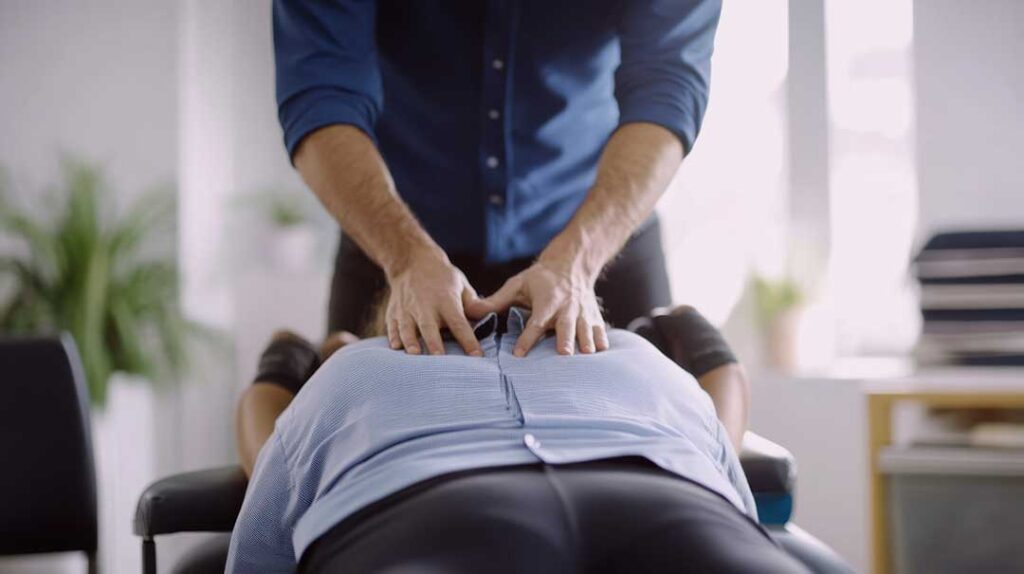
Can Back Pain Be a Sign of a More Serious Health Concern?
Most back pain in the Gloversville, NY area comes from common causes like strained muscles, overuse from shoveling snow, or sitting too long during cold winters. However, it’s possible for back pain to signal an underlying medical condition that needs prompt attention. Persistent, worsening, or unusual back pain should not be ignored—especially if it comes with other symptoms.
What Are the Red Flags for Back Pain That Shouldn’t Be Ignored?
Red flags are warning signs that your back pain may be related to a more serious problem.
If you notice any of the following, consider them signs to be cautious and seek appropriate evaluation:
- Severe pain that does not improve with rest, heat, or common pain relievers
- Back pain after a fall, car accident, or significant injury (common during icy Gloversville winters)
- Weakness, numbness, or tingling in your legs that gets worse
- Loss of bladder or bowel control
- Unexplained weight loss, fever, or night sweats alongside back pain
- Pain that wakes you from sleep or is worse at night
- History of cancer, known immune-suppressing illness, or steroid use
These situations signal a higher risk for spinal injury, infection, or even cancer. While most back pain is not caused by these conditions, being aware of them helps area residents stay ahead of preventable emergencies.
How Long Should You ‘Wait It Out’ Before Getting Checked?
Feeling a twinge after moving heavy boxes or clearing sidewalks is common. But if pain lasts beyond a few days and disrupts daily activities, or keeps you home from work or school, it might be time to get it checked. Persistent back pain lasting longer than two to four weeks, or pain that returns frequently, often deserves careful assessment.
If you’re unsure, err on the side of caution, especially if back pain is new or unusually intense for you. Recurrent episodes may point to an undiagnosed underlying cause.
Does Back Pain Always Mean a Problem With the Spine?
Not all persistent or severe back pain comes from the spine itself. In rare cases, pain in the middle or lower back signals problems with organs like the kidneys, bladder, or reproductive organs. For example, kidney infections, kidney stones, or some gastrointestinal conditions frequently refer pain to the lower back.
Local context in Gloversville includes seasonal increases in urinary tract infections and kidney stones due to wintertime dehydration—sometimes showing up first as unexplained back pain along with fever, chills, or digestive changes.
Other signs your pain might be coming from internal organs include:
- Flank pain with burning when urinating, blood in the urine, or fever
- Back pain with abdominal bloating or digestive trouble
- New, persistent back pain in people with known risk factors—like diabetes or recent surgery
Are There Differences in Serious Back Pain by Age?
Back pain means different things at different ages. In children and teens in Gloversville, back pain is uncommon and should never be ignored, especially after sports injuries, high falls, or with a recent illness.
For adults over age 50, new back pain—especially if constant, unrelieved by rest, or associated with new weakness—may suggest osteoporosis, spinal fractures, or less common conditions like spinal tumors.
Older adults in the local community should be extra vigilant if they:
- Have a history of cancer or unexplained weight loss
- Use long-term steroid medications (common for certain chronic diseases)
- Recently lost height or experience sudden, severe pain after a minor incident

What Are Common Misconceptions About Serious Back Pain?
A frequent misconception in the community is that all back pain needs bed rest. Extended inactivity can worsen pain and delay recovery unless a specific injury demands it.
Other overlooked factors:
- “It’s just getting older”—Using age as a reason to tolerate moderate to severe or new pain is risky. Age increases risk for certain serious causes of back pain, so age shouldn’t make you ignore it.
- “If I don’t feel numbness or weakness, it’s nothing serious”—Some conditions, including infections or tumors, may not cause nerve symptoms at first.
- “I can self-diagnose with warming pads or over-the-counter creams”—If those usual remedies don’t touch the pain, the cause may be more than muscle strain.
How Do Local Conditions Affect Back Pain and Warning Signs?
Gloversville’s climate brings snow, ice, and challenging sidewalks, increasing falls and lifting injuries. Winter typically sends more people to medical providers with back pain from slips or muscle strains. However, traumatic injury can sometimes lead to vertebral fractures or herniated discs, both of which can mimic ‘regular’ back pain but require different approaches.
For people in homes with steep stairs, multi-level living, or heavy home heating equipment, accidental injuries to the back can occur suddenly when carrying loads or shoveling.
Being alert to how lifestyle, weather, and home patterns might contribute to accidents helps area residents differentiate between an ordinary sore back and something that might require prompt attention.
What Can Residents Do to Stay Safe and Protect Their Health?
Recognizing the warning signs is the most important step for protecting yourself and your family. Promptly addressing pain that doesn’t fit your normal pattern—or pain associated with weakness, fever, falls, or changes in bodily function—helps catch serious conditions early.
Using safe lifting techniques for snow or home projects, maintaining good hydration especially in winter, and paying attention to body signals can help prevent common strains and recognize when evaluation may be needed.
