
Can Chiropractic Adjustments Relieve Migraine Symptoms?
Many people in Gloversville, NY, living with migraines, wonder if chiropractic care can reduce the frequency or severity of their headaches. While chiropractic adjustments are not a direct cure for migraines, some local residents report noticeable benefits, particularly for migraine patterns that seem related to tension, posture, or neck alignment. The relationship varies from person to person.
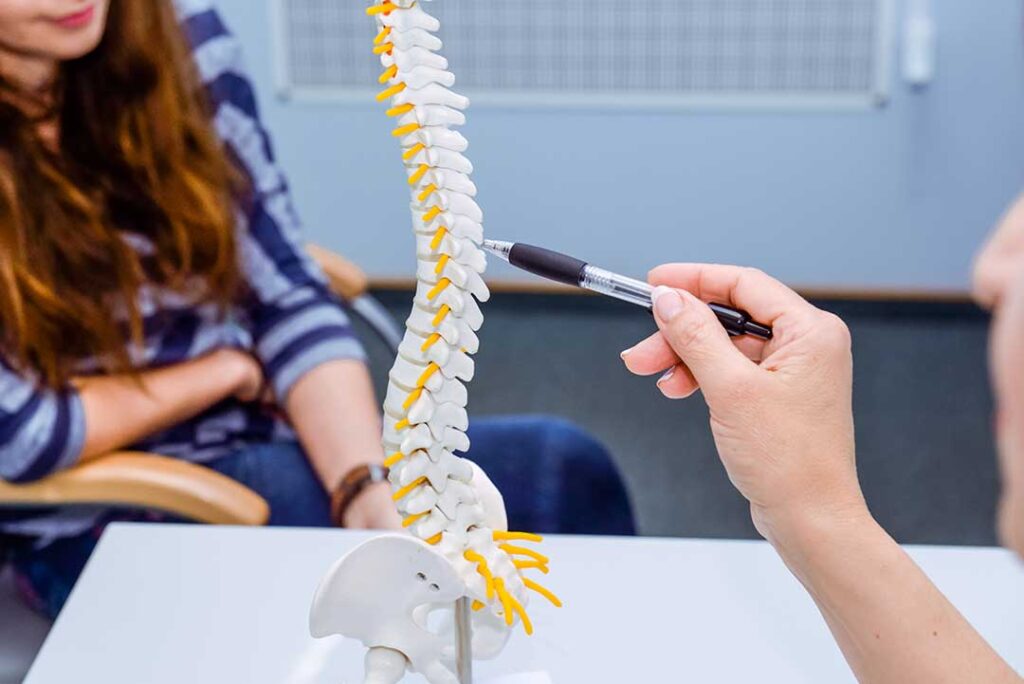
Chiropractic care aims to improve spinal alignment, release muscle tension, and address joint restrictions, primarily in the neck and upper back areas. For individuals whose migraines are triggered or worsened by muscular tension, poor posture, or stress in these regions, chiropractic approaches may help address an underlying contributing factor. That said, results are not guaranteed, and some people may not experience significant change.
How Might Chiropractic Approaches Relate to Migraine Triggers?
Chiropractors in the area often see patients with tight neck muscles, restricted upper back movement, and headaches that worsen after certain physical activities or stressful days. For these patients, adjustments, gentle stretching, and posture guidance may help relieve the muscle tension or nerve irritation that sometimes acts as a migraine trigger.
Common ways chiropractic care might relate to headache and migraine management include:
- Reducing tension in the neck and shoulders, especially after local winter storms when shoveling snow or driving in icy conditions increases physical strain
- Addressing posture issues from long hours at a desk, frequent among residents who commute or work locally
- Offering advice on practical changes, such as adjusting pillow height or workstation setup in typical Gloversville homes
Migraines have complex causes, and not all are linked to physical triggers. Some migraines are brought on by weather changes, certain foods, hormonal shifts, or other factors unrelated to the spine or muscles.
What Does the Research Say?
The scientific research on chiropractic care for migraines has mixed findings. Some small studies and patient surveys suggest that a subset of headache sufferers do experience fewer or less severe migraines after a period of chiropractic care—especially when their headaches seem to stem from muscular and joint tension. However, large-scale studies and clinical reviews note that while some benefit is possible, chiropractic is not a guaranteed or universal solution.
Medical researchers generally agree on a few points:
- Chiropractic adjustments are safest for people without underlying nerve disorders, recent trauma, or major structural spinal issues
- Treatments are typically best viewed as a complementary option alongside other management strategies, such as medication, stress management, and regular sleep routines
- Anyone experiencing sudden changes in headache patterns, visual changes, or neurological symptoms should be evaluated by a medical doctor first
What Types of Headaches Might Benefit Most?
Migraines share symptoms with other headache types. People in Gloversville sometimes confuse migraines with tension headaches or cervicogenic headaches (those stemming from the neck). Chiropractic care appears to offer more consistent results for migraines triggered or aggravated by:
- Extended periods of poor posture (frequent while using local public library computers or home desks)
- Physical strain from yardwork, snow removal, or repetitive work tasks common in the region
- Chronic or recurring neck stiffness, particularly after minor vehicle accidents on icy roads

Migraines that have clear triggers unrelated to physical issues, such as hormonal changes or dietary sensitivities, may not improve with chiropractic care alone.
What Should Residents Consider Before Trying Chiropractic for Migraines?
Local residents considering chiropractic care for migraines should keep a few factors in mind:
- It’s helpful to track headache patterns—frequency, duration, possible triggers—before and during care
- Residents with a history of head trauma, unexplained neurological symptoms, or other significant health issues should seek medical advice before beginning chiropractic adjustments
- Expect a gradual process; symptoms may improve over several weeks if there is a benefit
- Combining chiropractic care with healthy habits—regular sleep, hydration, limited screen time, stress management—can sometimes offer better results than any single approach alone
Area weather fluctuations, seasonal changes, and sedentary winter patterns can all play a role in migraine frequency, so maintaining flexibility in management strategies is important.
Are There Misconceptions About Chiropractic Care and Migraines?
Several common misconceptions circulate locally and online:
- Chiropractic care is not a guaranteed way to stop migraines—results vary, and many find only partial relief
- Residents sometimes assume all headaches are suitable for chiropractic care; it is critical to be cautious if headaches are sudden, intense, or accompanied by vision or balance issues
- Chiropractic should not replace standard medical emergencies or ignore warning signs, especially if migraines change pattern rapidly or cause significant neurological symptoms
For those in the community looking to diversify their headache management approach, chiropractic may be a helpful supportive strategy in cases where muscle tension, posture, or spinal issues are clearly involved.
