
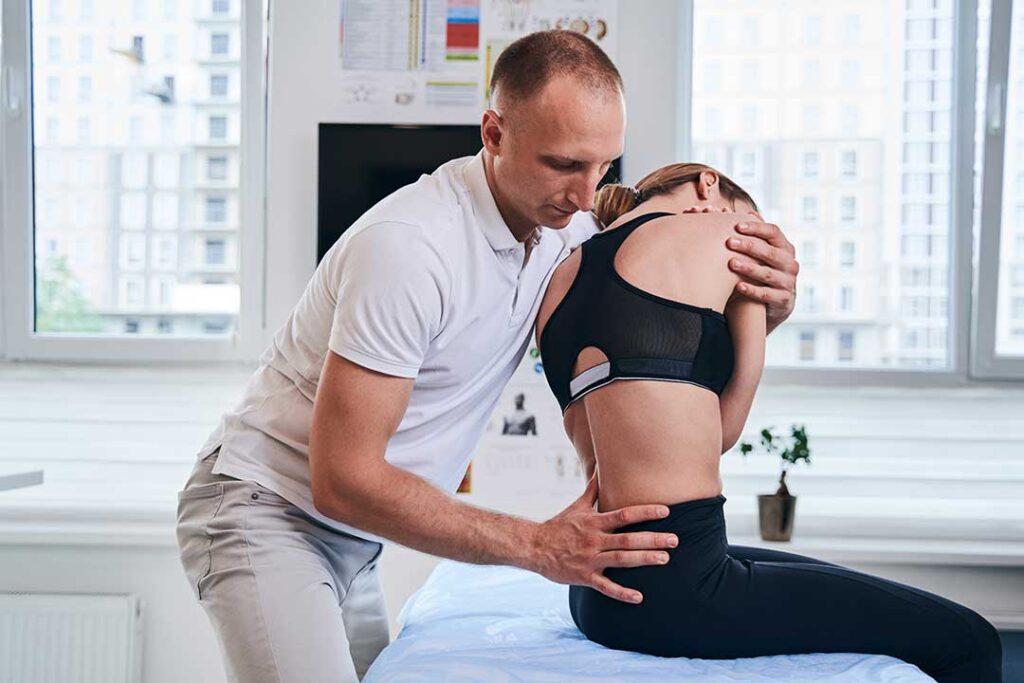
Parents in Gloversville, NY often ask whether chiropractic care is safe for children, especially after a sports injury, fall, recurring back discomfort, or concerns related to posture and heavy backpacks. The short answer is that some forms of pediatric chiropractic care may be appropriate in selected situations, but safety depends on the child’s age, health history, diagnosis, and the specific technique used.
Research on chiropractic and spinal manipulation in children remains limited. The National Center for Complementary and Integrative Health states that spinal manipulation is generally safe for healthy people when performed appropriately, but rare, serious complications have been reported. ([nccih.nih.gov](https://www.nccih.nih.gov/health/tips/things-to-know-about-mind-and-body-practices-for-children-and-teens?utm_source=openai))
What does chiropractic care involve for children?
Chiropractic care is not one single procedure. It may include an examination, posture or movement assessment, gentle manual pressure, stretching, mobilization, exercise guidance, or spinal manipulation.
Spinal manipulation uses a controlled force to move a joint. It is different from mobilization, which generally uses slower movement within the joint’s normal range and does not involve a quick thrust. The amount of force and the area treated should be adapted to the child’s size, age, development, and medical condition. ([nccih.nih.gov](https://www.nccih.nih.gov/health/spinal-manipulation-what-you-need-to-know?utm_source=openai))
A child should not be treated simply because a technique is available. There should be a clear reason for considering care, such as a diagnosed musculoskeletal problem, and the treatment plan should be explained to the parent or guardian.
Is chiropractic manipulation safe for infants, children, and teenagers?
Safety is not the same at every age. Evidence about children and spinal manipulation is much less extensive than evidence involving adults, particularly for infants and very young children. NCCIH advises families to learn about both benefits and risks, make sure the child has an accurate diagnosis, and avoid replacing or delaying established medical care with an unproven approach. ([nccih.nih.gov](https://www.nccih.nih.gov/health/children-and-the-use-of-complementary-health-approaches?utm_source=openai))
For healthy older children and teenagers, short-term effects may include:
- Temporary soreness or increased discomfort
- Mild stiffness
- A headache
- Tiredness or sensitivity in the treated area
These effects commonly resolve within about a day in general spinal-manipulation research, although pediatric-specific safety data are limited. Rare but serious neurological or spinal complications have also been reported. The risk may be higher when a person has an underlying condition that makes injury more likely. ([nccih.nih.gov](https://www.nccih.nih.gov/health/spinal-manipulation-what-you-need-to-know?utm_source=openai))
Neck manipulation deserves particular caution. Cervical artery tears and strokes have been reported after neck manipulation, although these events are rare and research has not established in every case whether manipulation caused the problem. A child or teenager with neck pain should receive an appropriate medical evaluation before any forceful neck technique is considered. ([nccih.nih.gov](https://www.nccih.nih.gov/health/spinal-manipulation-what-you-need-to-know?utm_source=openai))
When might a child need medical evaluation first?
A child should be evaluated by a medical clinician before manual treatment when symptoms could reflect something more serious than an ordinary muscle or joint problem.
Examples include:
- Pain after a significant fall, collision, or motor-vehicle crash
- Severe or worsening pain
- Numbness, tingling, weakness, or trouble walking
- Loss of bladder or bowel control
- Fever, unexplained weight loss, unusual fatigue, or night sweats
- Pain that repeatedly wakes the child
- A known bone, joint, connective-tissue, neurological, or bleeding disorder
- Recent surgery or a suspected fracture
After a major injury, children should be moved as little as possible until emergency guidance is obtained. Symptoms such as inability to walk, loss of bladder or bowel control after a back injury, or severe neurological changes require urgent medical attention. ([healthychildren.org](https://www.healthychildren.org/English/tips-tools/symptom-checker/IFrame/Pages/symptomviewer.aspx?symptom=Back+Pain&utm_source=openai))
In a community where winter walking, snow and ice, sledding, skating, and seasonal sports can increase the chance of falls, it is especially important not to treat post-injury pain as a routine alignment issue without first considering trauma.
What questions should parents ask before treatment?
A parent or guardian should be able to understand why treatment is being suggested and what it will involve. Useful questions include:
- What is the suspected cause of the child’s symptoms?
- Has the child been evaluated for an injury or medical condition?
- What technique will be used?
- Will the neck be manipulated?
- What are the known risks for a child of this age?
- Are there gentler options, such as exercise, mobility work, or physical therapy?
- How will improvement be measured?
- What symptoms would mean treatment should stop?
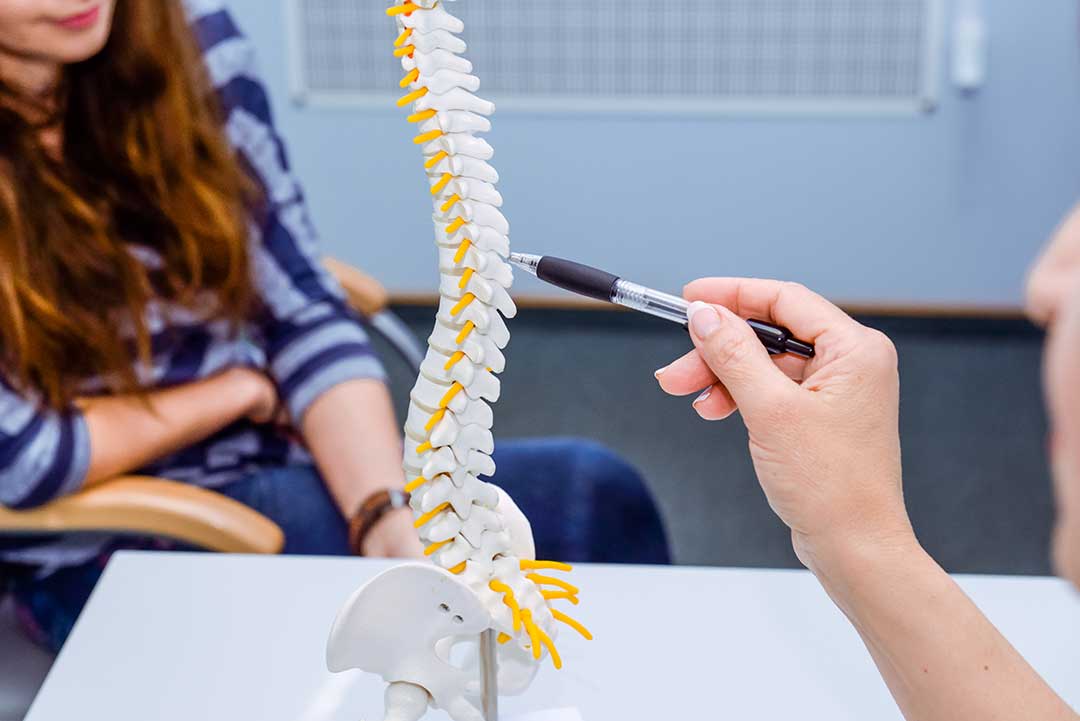
The practitioner should obtain a complete health history, including medications, previous injuries, surgeries, neurological symptoms, bone conditions, and recent illness. Parents should also tell the child’s primary health care clinician about any complementary treatment being considered or used so care remains coordinated. ([nccih.nih.gov](https://www.nccih.nih.gov/health/children-and-the-use-of-complementary-health-approaches?utm_source=openai))
A child should never feel pressured to undergo a procedure. Treatment should be explained in age-appropriate language, and the child’s comfort and willingness should be respected.
Can chiropractic care treat colic, ear infections, asthma, ADHD, or general wellness?
Claims about treating childhood conditions beyond musculoskeletal problems should be viewed carefully. Chiropractic care and spinal manipulation are sometimes promoted for colic, ear infections, asthma, allergies, attention-deficit/hyperactivity disorder, sleep problems, or immune support. The available evidence does not justify using spinal manipulation as a replacement for established evaluation and treatment for these conditions.
NCCIH notes that research on the effectiveness and safety of complementary approaches in children is limited. It specifically advises families not to postpone conventional care or prescribed medication because of an approach that has not been shown to be safe and effective for the child’s condition. ([nccih.nih.gov](https://www.nccih.nih.gov/health/tips/things-to-know-about-mind-and-body-practices-for-children-and-teens?utm_source=openai))
For a child with persistent headaches, breathing problems, repeated ear symptoms, developmental concerns, or sleep difficulties, the first step is an age-appropriate medical assessment rather than assuming the problem comes from spinal alignment.
What about backpacks, sports, and everyday aches?
Backpacks, prolonged sitting, repetitive sports movements, and poor conditioning can contribute to soreness in school-age children and teenagers. Heavy or poorly fitted backpacks may cause shoulder, neck, and back discomfort; HealthyChildren.org advises keeping a backpack to no more than about 15% of a child’s body weight. ([healthychildren.org](https://www.healthychildren.org/English/tips-tools/symptom-checker/IFrame/Pages/symptomviewer.aspx?symptom=Back+Pain&utm_source=openai))
Many everyday aches improve with basic measures such as rest from the aggravating activity, gradual return to movement, hydration, appropriate sleep, and strengthening or flexibility exercises. If pain persists, interferes with school or play, or keeps returning, the child should be evaluated to identify the cause.
Chiropractic treatment may be considered as one possible part of care for a diagnosed musculoskeletal problem, but it should not be assumed to be necessary for ordinary posture changes or normal growth.
How should families weigh the decision?
For children, “safe” should mean more than a treatment being gentle or commonly used. A reasonable decision considers:
- The child’s diagnosis and age
- The quality and limits of the evidence
- Whether the technique involves forceful movement, especially of the neck
- The practitioner’s pediatric training and experience
- Other options with stronger evidence for the child’s specific problem
- Whether the plan complements rather than replaces medical care
Chiropractic care is not automatically unsafe for every child, but it is not risk-free and is not appropriate for every condition. Careful diagnosis, clear communication, conservative techniques, and coordination with the child’s regular health care team are central to making an informed choice.
