

Athletes in Gloversville, NY may consider chiropractic adjustments for back pain, joint stiffness, reduced mobility, or recovery after training. Adjustments can be one part of a broader care plan, but they are not a substitute for strength training, rehabilitation, medical evaluation, or appropriate rest.
What is a chiropractic adjustment?
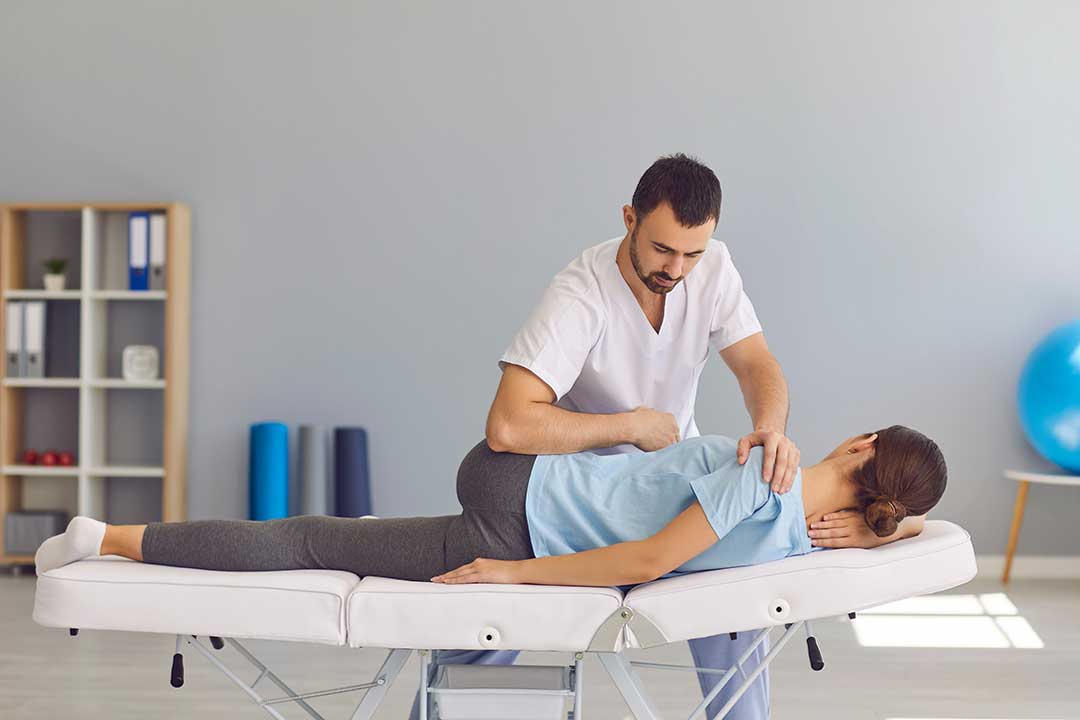
A chiropractic adjustment is a hands-on technique that applies a controlled force to a joint, often in the spine. The goal may be to improve short-term joint movement, reduce stiffness, or ease discomfort related to certain musculoskeletal conditions.
Adjustments are different from general stretching or massage. A clinician typically considers symptoms, movement patterns, training demands, previous injuries, and health history before deciding whether manipulation is appropriate.
For athletes, the treated area is not always the location where symptoms are felt. For example, limited movement in the hip or ankle may affect how the lower back handles running, jumping, or lifting. That does not mean every movement problem requires an adjustment. It means the evaluation should look at the athlete’s overall movement rather than focusing only on the painful spot.
Can adjustments improve athletic performance?
The evidence does not support describing chiropractic adjustments as a reliable performance enhancer. A systematic review of athlete-focused research found that some studies showed improvement on performance tests, but the overall evidence was weak, and none of the included studies measured performance during an actual competition. ([pubmed.ncbi.nlm.nih.gov](https://pubmed.ncbi.nlm.nih.gov/29191288/?utm_source=openai))
An adjustment may help an athlete move more comfortably or temporarily improve a restricted range of motion. That can make warmups, practice, or rehabilitation exercises easier. However, a single treatment cannot replace the adaptations created by progressive training, adequate sleep, good nutrition, and sport-specific practice.
Claims that adjustments automatically increase strength, prevent all injuries, or improve speed should be treated cautiously. Performance depends on many factors, and research on spinal manipulation has used different techniques, treatment schedules, and outcome measures, making broad conclusions difficult. ([pmc.ncbi.nlm.nih.gov](https://pmc.ncbi.nlm.nih.gov/articles/PMC6555009/?utm_source=openai))
What benefits might athletes reasonably expect?
Potential benefits depend on the athlete’s condition and the rest of the care plan. For some people, an adjustment may contribute to:
- Short-term relief from certain types of back or neck discomfort
- Improved movement in a stiff spinal or extremity joint
- Easier participation in prescribed mobility or rehabilitation exercises
- Reduced guarding or muscle tension associated with painful movement
- Better awareness of movement limitations that need attention
For acute low-back pain in adults, the National Center for Complementary and Integrative Health reports moderate-quality evidence that spinal manipulation may provide modest improvement in pain. The research is not specific to every sport or athlete, and the expected benefit is generally limited rather than dramatic. ([nccih.nih.gov](https://www.nccih.nih.gov/health/spinal-manipulation-what-you-need-to-know?utm_source=openai))
Athletes with persistent pain should not assume that relief means the underlying problem has healed. Pain can decrease before a strained muscle, irritated tendon, stress injury, or joint problem is ready for full training.
Is an adjustment useful after a sports injury?
Sometimes, but not automatically. The first question after an injury is whether the problem is appropriate for conservative musculoskeletal care. A fall, collision, sudden twist, or heavy lifting episode can cause injuries that need urgent medical assessment rather than manipulation.
An athlete should receive prompt medical evaluation for symptoms such as:
- Loss of strength, coordination, or sensation
- Numbness or tingling that is worsening or spreading
- Severe pain after a collision or fall
- Inability to bear weight normally
- New bowel or bladder problems
- Severe headache, confusion, fainting, or repeated vomiting after a head or neck impact
- Significant neck pain after trauma
Suspected fractures, dislocations, serious head injuries, spinal cord injuries, and major ligament or tendon injuries require appropriate medical testing and management. Manipulation should not be used to “work through” an injury that has not been assessed.
For less serious problems, an adjustment may be considered alongside load modification, therapeutic exercise, gradual return to sport, and coordination with other members of an athlete’s healthcare team.
Can adjustments prevent sports injuries?
There is not strong evidence that routine adjustments alone prevent sports injuries. Injury prevention is more reliably connected with factors such as progressive conditioning, adequate warmups, movement skill, recovery time, protective equipment, and responding early to pain.
Prevention also requires matching training load to the athlete’s current capacity. Increasing running mileage, lifting volume, throwing frequency, or practice intensity too quickly can place excessive stress on muscles, tendons, bones, and joints. An adjustment may address stiffness, but it does not correct an excessive workload or insufficient recovery.
For people participating in outdoor activities through changing weather, cold conditions and slippery surfaces can add practical risks. Winter walking, snow removal, skating, and other seasonal activities may involve falls or sudden movements. Staying attentive to footing, using appropriate equipment, and avoiding abrupt increases in activity may be more important for prevention than any single treatment.
Are chiropractic adjustments safe for athletes?
Spinal manipulation is generally associated with temporary side effects such as soreness, stiffness, or a mild increase in symptoms. Serious complications are considered uncommon, but risk varies by technique, body region, health history, and the person’s symptoms. Research reviews also note that adverse events are not always reported consistently in clinical trials. ([pmc.ncbi.nlm.nih.gov](https://pmc.ncbi.nlm.nih.gov/articles/PMC10163511/?utm_source=openai))
Neck manipulation deserves particular caution. Sudden neck movements, including those associated with sports injuries or whiplash, may be linked with rare but serious vascular problems. Anyone with unusual severe headache, neck pain after trauma, dizziness, double vision, weakness, difficulty speaking, or other neurological symptoms needs urgent medical attention rather than further manipulation. ([nccih.nih.gov](https://www.nccih.nih.gov/health/spinal-manipulation-what-you-need-to-know?utm_source=openai))
A complete health history matters. Certain conditions, recent fractures, severe osteoporosis, active infection, suspected cancer affecting bone, blood-clotting problems, and some neurological symptoms may change whether manipulation is appropriate.
How should adjustments fit into an athlete’s recovery plan?
The most useful approach is usually integrated rather than treatment-focused. A sound plan may include:
- A clear working diagnosis or explanation of the symptoms
- Temporary modification of painful activities
- Mobility work where appropriate
- Progressive strengthening and balance training
- Sport-specific drills before full return to competition
- Monitoring of symptoms during and after exercise
- Coordination with a physician, physical therapist, athletic trainer, or other qualified clinician when needed
An athlete should be able to explain what the adjustment is intended to accomplish and how progress will be measured. Useful measures might include walking tolerance, jumping ability, range of motion, pain during a specific movement, or the ability to complete rehabilitation exercises.
If symptoms repeatedly return after each treatment, the training load, diagnosis, technique, or overall plan may need reconsideration. Temporary relief is helpful, but lasting recovery depends on restoring capacity and addressing the reason the problem developed.
For local athletes and active households, chiropractic adjustments may have a limited role in managing selected musculoskeletal complaints. The strongest position is balanced: adjustments can sometimes support comfort and movement, but they work best as one component of individualized care rather than as a stand-alone answer for performance or injury prevention.
