
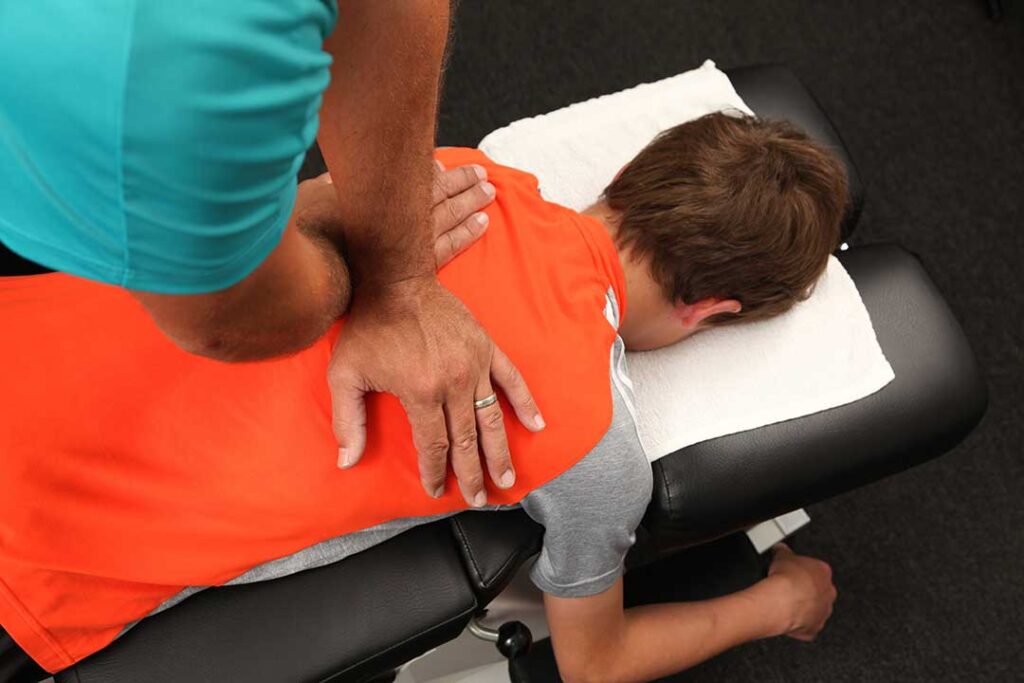
What Often Causes Neck Pain for Residents in Gloversville, NY?
Neck pain commonly develops from a mix of everyday activities, posture habits, and physical stressors. In Gloversville, seasonal changes, frequent long drives, and time spent on screens can all play a role. Many residents are surprised to learn how often minor, repeated motions or small lifestyle details contribute to discomfort.
Some frequent causes include:
- Prolonged sitting with poor posture—such as working at a computer or using handheld devices for extended periods.
- Sleeping in awkward positions, especially with unsupportive pillows or on older mattresses common in local homes.
- Repetitive overhead activities—like painting, gardening, or seasonal yard work.
- Carrying heavy bags or loads on one shoulder, typical in daily routines.
- Old injuries from slips on ice in winter or outdoor summer accidents.
Local factors—such as longer periods spent indoors during colder months—can also increase immobility, weakening postural muscles and making the neck more susceptible to strain.
Can Neck Pain Come from Work or Home Setups?
Yes, home and work environments are frequent sources of neck tension. Many Gloversville households use makeshift home offices or compact furniture, which can lead to less-than-ideal desk heights or screen placements. Even short periods of slouching or craning forward may contribute to persistent discomfort.
Common scenarios that trigger pain:
- Kitchen tables doubling as workspaces, with chairs that don’t support upright posture.
- Screens angled too low or too high, making users bend or tilt their heads unnaturally.
- Holding phones between the ear and shoulder during conversations.
Making small, intentional adjustments—such as aligning screens at eye level—can significantly reduce stress on the neck.
How Do Sudden Changes in Routine Affect Neck Health?
Sudden changes—like returning to gardening in spring, shoveling after snowfalls, or adjusting sleeping spots for guests—often increase the risk of neck pain. These shifts can strain tissues that are not used to frequent use, especially after periods of inactivity.
Helpful strategies include:
- Easing into new or seasonal activities.
- Incorporating simple neck and shoulder stretches daily.
- Paying attention to discomfort during or after household chores, and pausing to rest or change position.
Are Everyday Devices Contributing to Neck Issues?
Many residents are affected by what’s sometimes called “tech neck.” Activities like reading on tablets, texting, or watching videos on handheld devices often encourage prolonged neck flexion.
Ways to minimize device-related strain:
- Hold screens at eye level rather than in your lap.
- Take short breaks from screens every 20-30 minutes.
- Use voice-to-text where possible to avoid looking down for extended periods.
Consistent awareness of device habits makes a notable difference over time.
Does Physical Activity Affect Neck Pain?
Exercise and recreational movement are important for joint and muscle health, but overdoing or suddenly changing activities can provoke neck pain. Gloversville residents who start new fitness routines or sports—especially those involving upper body movement or impact—should progress gradually.
Advice includes:
- Begin new exercise routines with gentle intensity, increasing as strength and flexibility build.
- Include warm-up and cool-down activities to reduce injury risk.
- Pay attention to pain during activities; don’t push through sharp discomfort in the neck or shoulders.
What Role Does Stress Play in Neck Pain?
Emotional stress—whether from work, family, or other sources—often manifests physically. Many people instinctively tense their neck and shoulders under strain, leading to muscle tightness.
Practical techniques for lowering stress-related tension include:
- Brief relaxation exercises, such as deep breathing or guided imagery.
- Regular, gentle stretches for the upper back, shoulder, and neck muscles.
- Taking time to check posture during the day, especially during stressful situations.
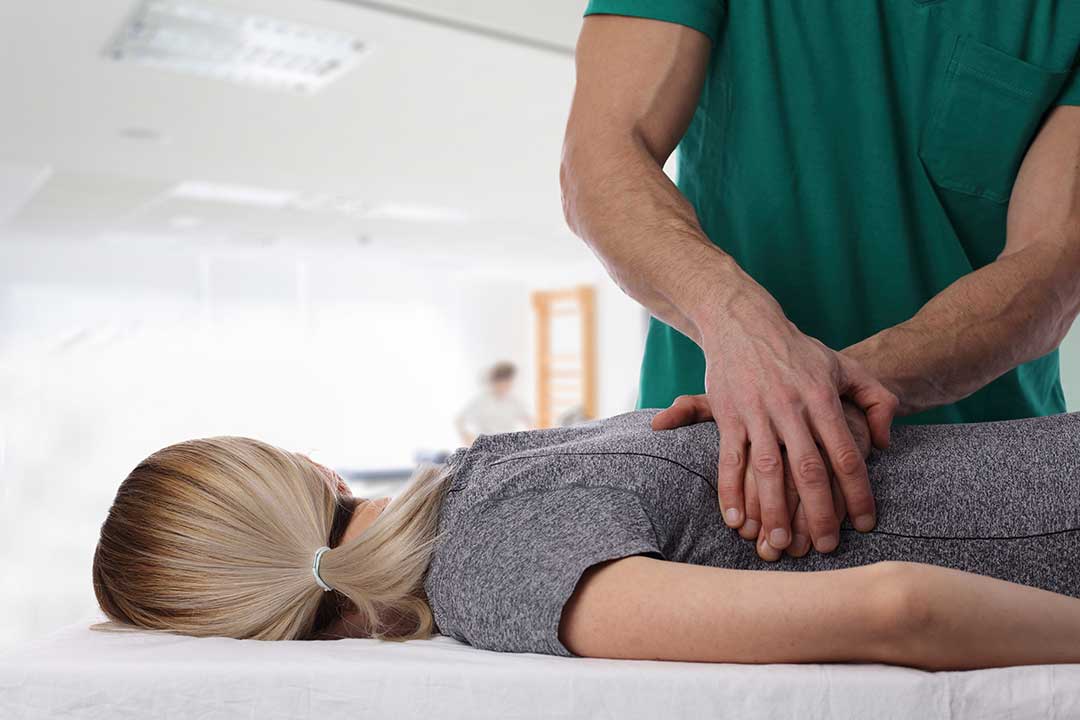
Maintaining supportive routines can make stressful periods less physically taxing.
How Can Proper Sleep Habits Help Prevent Neck Pain?
Sleep quality and positioning are closely linked to neck health. In area households with older mattresses or mismatched pillows, neck support may be lacking, leading to stiffness upon waking.
Simple steps that help:
- Choose a pillow that keeps the neck aligned with the spine—neither too high nor too flat.
- Try to sleep on the back or side, avoiding stomach sleeping which twists the neck.
- Replace worn or lumpy bedding that no longer offers support.
Consistent adjustments to sleep setup can relieve recurring morning discomfort.
Are There Specific Weather-Related Factors in Gloversville?
Local climate plays a role in pain patterns. Cold, damp winters lead many to contract their muscles, which can increase stiffness. During the winter, people may also move less, further contributing to tightness.
In practice:
- Keep the neck and shoulders warm with scarves or high-collared clothing during cold spells.
- Incorporate gentle indoor mobility activities—such as stretching or yoga—on days when outdoor exercise is limited.
Staying mindful of both temperature and movement during seasonal transitions supports neck comfort throughout the year.
What Daily Prevention Habits Are Most Effective?
Many causes of neck pain can be avoided or minimized by building simple habits:
- Maintain good posture when sitting or standing, with shoulders relaxed and ears aligned over the collarbones.
- Move and change position frequently, especially during screen use or long drives.
- Use both shoulder straps when carrying bags to distribute weight evenly.
- Set up workstations with supportive chairs and screens at eye level.
- Stretch neck and shoulder muscles gently every day, especially after periods of inactivity or focused work.
- Listen to early signs of pain—short discomfort periods often warn of developing strain.
Integrating a few of these strategies into daily routines makes neck pain less likely to impact quality of life for Gloversville residents.
